Reviewing the ITH Easter Chick Feltie Embroidery Design
As a designer who spends half my life staring at digitized files and the other half pulling threads out of bobbins, I have learned to look past the glossy preview images. When I first loaded the ITH Easter Chick Feltie Embroidery file into my software, I was not just looking for cuteness. I was looking for structural integrity, stitch flow, and commercial viability. This is not merely a holiday novelty; it is a potential asset for your craft business if handled with the right technical approach.
First Impressions and Visual Personality
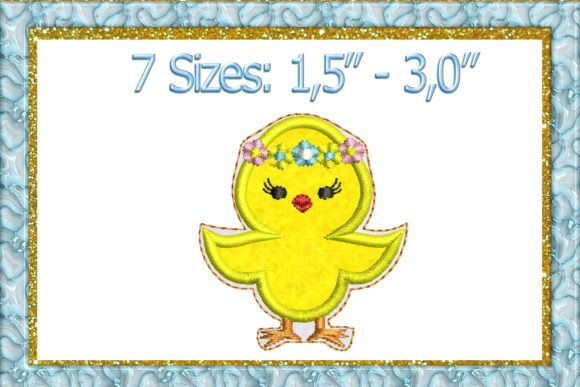
The immediate mood this design creates is one of soft nostalgia. It does not scream for attention with aggressive saturation or overly complex detailing. Instead, it relies on clean lines and a balanced silhouette. For those of us creating handmade products, this subtlety is a strength. It allows the texture of the felt and the sheen of the thread to take center stage.
The layout feels intentional. The chick’s proportions are sturdy enough to withstand the hoop tension without distorting, yet delicate enough to remain charming. When evaluating any machine embroidery design, I always check the visual weight. This particular chick sits comfortably in the center of an in-the-hoop project, suggesting that the digitizer considered the final assembly process. It feels like a design meant for tangible interaction, perfect for a personalized gift that will be held, squeezed, and cherished.
Real-World Application: Beyond the Hoop
Let us move beyond theory and discuss where this actually fits in a production workflow. I recently considered using a similar style for a custom embroidered tote bag line, but realized that in-the-hoop (ITH) projects have a specific niche. This Embroidery file is ideal for creating standalone items rather than flat surface decoration.
Imagine preparing a batch of spring-themed merchandise for an Etsy shop. This design transforms simple scraps of felt into high-value items. It is perfect for:
- Baby shower favors: Small, safe, and visually appealing for nursery decor.
- Holiday gifts: A tactile addition to Easter baskets that stands out against plastic toys.
- Boutique branding: Use the chick as a charm attached to a larger product, like a zippered pouch or a key fob, to add a signature touch to your small shop product line.
The versatility here is significant. While it is themed for Easter, the character design is generic enough to be used year-round if you adjust your marketing angle. However, its peak performance is undoubtedly during the spring season, where holiday embroidery demands fresh, cheerful motifs.
Technical Performance and Stitch Quality
When I examine a digital embroidery file, I am looking for efficient pathing. Does the machine jump unnecessarily? Are there too many trims? While I cannot see the exact stitch count without loading the specific data, the visual output suggests a balanced use of satin stitch for the outlines and fill stitch for the body. This combination is crucial for durability.
For a finished product that will be handled frequently, such as a child’s toy or a decorative accent on a pillow cover, the stitch density must be sufficient to cover the fabric completely but not so dense that it causes puckering. The chick appears to have moderate density, which is ideal for felt. Felt does not fray, making it the perfect substrate for this type of project, but it can compress under heavy stitching. A well-digitized design respects the material.
If you are planning to use this for custom apparel, note that ITH designs are generally three-dimensional. They do not lay flat on a sweatshirt or t-shirt unless applied as an appliqué patch. If you intend to use this as a patch, ensure you leave a margin for cutting and consider using a heat-seal backing for professional presentation.
Material Considerations and Fabric Texture
The success of this project hinges on your choice of materials. The thread colors you select will define the character’s personality. Traditional yellows and oranges work well, but do not be afraid to experiment with pastels for a modern boutique look. Contrast is key. Ensure your background felt color provides enough separation from the stitch colors to maintain clarity.
Be cautious with textured fabrics. If you deviate from standard craft felt to a more loosely woven fabric, you must use a stabilizer. Even though felt is stable, the tension of the hoop can distort thinner varieties. Always test the design on scrap fabric first. Check how the running stitch behaves on your specific material. If the fabric is too thin, the stitches may pull through, ruining the aesthetic of your handmade product.
Commercial Viability and Brand Consistency
For Etsy sellers and creative entrepreneurs, consistency is trust. Using a high-quality design asset like this helps maintain a professional image. Customers can spot a poorly digitized file from a mile away—loose threads, gaps in coverage, or distorted shapes reduce perceived value. This chick, when stitched correctly, enhances buyer engagement because it looks polished.
When creating printable mockups for your online store, this design photographs beautifully. Its three-dimensional nature adds depth to flat-lay photos, making your digital product previews more compelling. It signals to the customer that you care about detail, which translates to higher conversion rates for your craft business.
Practical Designer Notes
Before you commit to a large production run, keep these practical tips in mind:
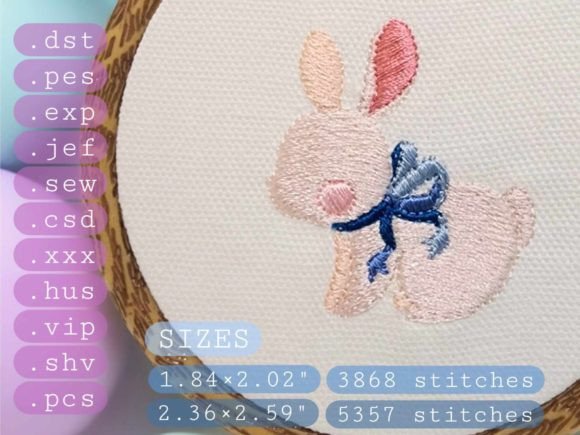
- Check the formats: The product description mentions that 9 formats are included. Ensure your machine reads the specific file type you choose. Do not assume compatibility.
- Verify licensing: Always confirm whether the license allows for commercial use of finished items. Most designers allow selling physical products but restrict reselling the digital embroidery file itself.
- Test on dark fabric: If you plan to use black or navy felt, check if the design includes underlay stitches that might show through. You may need to adjust thread colors for better visibility.
- Hoop size matters: Confirm the required hoop size before starting. An ITH project requires precise alignment. If the hoop is too small, you cannot complete the enclosure properly.
- Inspect small details: Zoom in on the eyes and beak. These tiny areas are prone to thread breaks if the stitch length is too short. Adjust your tension if necessary.
Final Verdict
The ITH Easter Chick Feltie Embroidery is a solid addition to any seasonal design library. It balances charm with technical practicality, making it suitable for both hobbyists and serious makers. It is not just about creating a cute chick; it is about creating a reliable, repeatable process for generating income through handmade goods. Whether you are decorating a kitchen towel with a related motif or creating a standalone feltie, this design holds up under scrutiny. Just remember to respect the material, check your settings, and let the quality of your craftsmanship shine through.