Reviewing the Palm Tree Embroidery Design for Real Projects
As a designer who has spent years staring at digitizing software and watching needles dance across fabric, I have developed a keen eye for what makes an embroidery design truly work in the real world. It is not just about how it looks on a screen; it is about how it behaves under the presser foot. Recently, I pulled up the Palm Tree Embroidery file to evaluate its potential for a client’s summer collection. This specific design, often categorized under broader nature themes like Forest or tropical motifs, caught my attention because of its versatility. It is marketed as a small palm tree machine embroidery pattern, but does it hold up when stitched out on actual garments?
First Impressions and Visual Personality
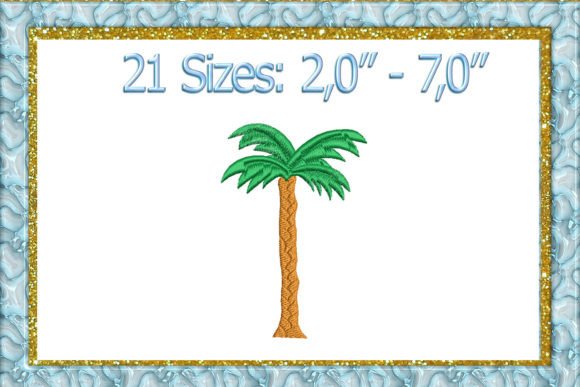
The first thing I noticed about this Palm Tree Embroidery design is its clean, minimalist silhouette. In a market saturated with overly complex tropical scenes, this mini palm tree offers a refreshing simplicity. The layout suggests a relaxed, beachy vibe without feeling cluttered. For an Etsy seller or a craft business owner, this is crucial. Customers often gravitate toward designs that are recognizable at a glance but subtle enough to wear daily.
The design comes with 12 sizes, with the smallest being 2.75” x 3.98” (69.8mm x 101.0mm). This range is significant. It means the digital embroidery file is not just a one-trick pony. You can scale it down for a delicate chest logo on a polo shirt or use the larger iterations for a bold statement on a tote bag. The visual personality feels organic, avoiding the rigid, computer-generated look that plagues many low-quality design assets.
Real-World Application: The Tote Bag Test
To truly judge an embroidery project, I always imagine it on a specific product. Let’s say you are preparing a custom embroidered tote bag for a boutique client. Cotton canvas is a forgiving fabric, but it has a distinct texture. I visualized this Palm Tree Embroidery stitched onto a natural beige canvas. The contrast between the green thread colors and the neutral background would create a sophisticated, earthy aesthetic.
For a small shop product, presentation is everything. If I were creating a printable mockup for an online listing, this design’s clear lines would render beautifully. It does not rely on tiny, fragile details that might get lost in a thumbnail image. Instead, the strong shapes of the fronds and trunk ensure that the finished product looks professional even in digital previews. This is vital for digital product sellers who need their listings to convert browsers into buyers.
Performance on Different Fabrics and Garments
One of the biggest challenges in commercial embroidery is adapting a single design to various materials. I considered how this machine embroidery design would perform on a sweatshirt. Fleece and terry cloth can be tricky due to their pile. A design with too much stitch density can cause puckering or hide the detail. However, looking at the structure of this palm tree, it appears to balance fill stitch areas with open space effectively. This suggests it would sit well on thicker fabrics without becoming a stiff, cardboard-like patch.
For baby embroidery, softness is paramount. If you are using this for a onesie or a baby blanket, you must pay attention to the backing. While the design itself is charming and suitable for nursery decor, the stitch count needs to be managed. I recommend testing the design on scrap fabric first. Check if the satin stitch borders are smooth or if they pull the fabric. For delicate items, a lighter stabilizer might be necessary to prevent distortion.
When it comes to custom apparel like caps, the curved surface presents another hurdle. The 2.75” width of the smallest size is ideal for a left-chest logo on a hat. However, you must ensure the design is centered correctly in the hoop. The hoop size compatibility is generally good given the dimensions, but always confirm your machine’s maximum area before starting a large batch of embroidered patches or hats.
Technical Considerations for Designers
From a technical standpoint, there are a few things every embroidery designer should check before committing to production. First, review the thread colors. Tropical designs often rely on vibrant greens, blues, and yellows. Ensure your thread library matches the intended mood. A muted, olive-green palette might suit a rustic handmade product, while bright neon greens fit a surf-shop vibe. Always test the design in black and white mockups to verify that the contrast holds up without color reliance.
Second, consider the fabric texture. On dark fabrics, light-colored threads may require an underlay to prevent the background from showing through. This is especially true for the sky or sun elements if included in the variant. If you are selling personalized gifts, consistency is key. You do not want one batch of holiday embroidery to look washed out compared to another.
Third, inspect the small details. In the smallest size, do the tips of the palm fronds remain sharp? Or do they become blobby? This is where the quality of the digitizing shines. A well-digitized applique design or standard fill will maintain integrity across scales. If you notice jagged edges in the preview, it might translate to messy stitching on the machine.
Commercial Viability and Brand Consistency
For apparel decorators and creative entrepreneurs, the value of a design lies in its ability to enhance brand identity. This Palm Tree Embroidery fits seamlessly into brands that focus on relaxation, travel, nature, or summer lifestyles. It adds a touch of professionalism to boutique branding because it looks intentional rather than generic.
Customer trust is built on quality. A cleanly stitched palm tree on a kitchen towel or pillow cover signals that the maker cares about detail. It encourages repeat business. Whether you are creating wedding gifts for a destination wedding or stocking up for a craft fair, this design offers the flexibility needed for diverse product lines.
Final Verdict and Practical Advice
In conclusion, the Palm Tree Embroidery design is a solid addition to any embroidery file library. Its strength lies in its adaptability and clean aesthetic. However, success depends on execution. Always use the appropriate stabilizer for your fabric type. Test on similar materials before running a full production order. Check the licensing terms if you plan to sell the digital embroidery file itself versus the finished product.
For hobbyists and makers, this design offers a fun, low-stress project that yields high-impact results. For small business owners, it provides a reliable asset that can drive sales across multiple categories, from tote bag design to sweatshirt embroidery. By paying attention to stitch density, thread choice, and fabric preparation, you can ensure that every piece you create reflects the high standards your customers expect. Keep experimenting, keep testing, and let your creativity flow with every stitch.