Review: Butterfly Egg Embroidery for Boutique Sweatshirts
As an embroidery designer who has spent years digitizing and testing patterns for small clothing brands, I approach every new machine embroidery design with a critical eye. It is not just about whether the file runs smoothly; it is about how the final stitched product elevates a brand. Recently, I evaluated the Butterfly Egg Embroidery for a potential limited-edition sweatshirt drop for a boutique client. The concept was simple: merge the whimsical charm of spring with the cozy, premium feel of high-quality apparel. Here is my professional breakdown of how this design performs in a real-world commercial setting.
First Impressions and Aesthetic Mood
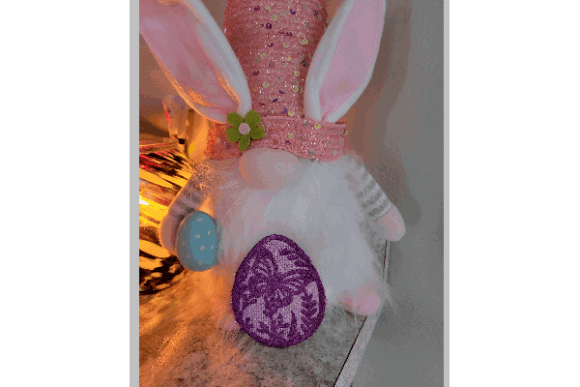
The initial visual impact of the Butterfly Egg Embroidery is undeniably enchanting. The motif combines the organic, delicate lines of butterfly wings with the rounded, protective shape of an egg. This fusion creates a design that feels both playful and sophisticated. For a boutique brand aiming to capture the Easter season without relying on cliché bunny graphics, this design offers a fresh, artistic alternative. It leans towards a feminine and decorative aesthetic, yet it retains enough structural integrity to look bold on larger garments.
The layout suggests a balanced composition, which is crucial for apparel. When I imagine this as a finished product, I see a design that avoids looking cluttered. The versatility mentioned in the description holds true; while it is marketed for towels, its clean lines translate beautifully to fabric. The mood is rustic yet refined, making it suitable for brands that value handmade authenticity over mass-produced perfection.
Application on Sweatshirts and Hoodies
Testing a design on paper is one thing; visualizing it on heavy cotton blends is another. For a sweatshirt embroidery project, placement is everything. I recommend placing the Butterfly Egg Embroidery on the left chest area of an oversized hoodie. This placement keeps the design intimate and premium, allowing the viewer to appreciate the detail without overwhelming the garment. On neutral sweatshirts, such as oatmeal, sage green, or soft lavender, the design pops subtly, enhancing the fabric texture rather than fighting against it.
For dark fabric options like charcoal or navy, the design requires careful planning. The contrast becomes key here. If the original digitization uses light thread colors, it will stand out sharply against dark backgrounds, creating a striking visual. However, if the design relies on subtle shading, it might get lost. I suggest using metallic or high-sheen rayon threads to add depth and ensure the butterfly elements catch the light. This approach transforms a simple hoodie design into a statement piece that feels luxurious and intentional.
Back designs are also trending in the custom apparel market. Scaling up the Butterfly Egg Embroidery for a full-back print could work, but only if the stitch density allows for it without becoming too stiff. For a cozy seasonal apparel line, keeping the design smaller and repeated as sleeve accents might offer a more modern, minimalist look. This strategy appeals to younger demographics who prefer understated branding over loud graphics.
Technical Considerations for Commercial Use
Before running this digital embroidery file on production machines, several technical factors must be addressed. First, consider the stitch density. Sweatshirts are thick, and adding dense embroidery can cause puckering if not stabilized correctly. I always recommend using a cut-away stabilizer for knit fabrics to ensure durability. This prevents the design from distorting after multiple washes, which is critical for maintaining buyer trust.
The hoop size is another practical concern. Ensure that the design fits comfortably within your standard hoop dimensions without requiring excessive re-hooping, which can slow down production. For small shop products, efficiency is vital. Check the smallest size variant of the file to ensure readability. If the details become indistinct at smaller scales, it may not be suitable for sleeve accents or pocket placements.
Thread color selection plays a massive role in the perceived value of the handmade product. Instead of sticking to traditional pastel Easter palettes, consider earthy tones or monochromatic schemes. Using varying shades of a single color can create a shadow effect that adds dimension. This technique makes the Butterfly Egg Embroidery look more like an illustrated artwork than a standard embroidered logo, enhancing its appeal as a premium item.
Brand Identity and Market Appeal
For an Etsy seller or small business owner, unique design assets are currency. The Butterfly Egg Embroidery helps establish a distinct visual identity. It signals to customers that the brand pays attention to detail and offers something they cannot find in big-box stores. This exclusivity drives customer engagement and encourages social sharing, especially when paired with high-quality lifestyle product photography.
When creating listings, use printable mockups to show the design on various apparel types. Showcasing the embroidery on a cozy, textured sweatshirt helps buyers visualize the comfort and quality of the small shop product. Highlighting the durability and the artistic nature of the design can justify a higher price point. Buyers are willing to pay more for items that feel special and well-crafted.
Furthermore, this design supports seasonal marketing campaigns without being disposable. While it fits perfectly into the Easter category, its abstract nature allows it to transition into spring and early summer collections. This longevity increases the return on investment for the embroidery file, making it a smart addition to any designer’s library.
Final Verdict for Designers
The Butterfly Egg Embroidery is a versatile and charming addition to any commercial embroidery portfolio. It bridges the gap between cute and sophisticated, making it ideal for boutique brands targeting discerning customers. However, success lies in the execution. Pay close attention to stabilizer choice, thread contrast, and placement. Always verify the specific technical details of the file, such as exact stitch count and recommended hoop sizes, before starting production.
By treating this design as a key element of your brand’s narrative, you can create apparel that resonates emotionally with buyers. Whether used on a premium sweatshirt, a tote bag, or a limited-edition hoodie, this design has the potential to become a signature piece for your shop. Embrace the creative possibilities, test thoroughly, and let the enchanting beauty of the butterfly egg elevate your next collection.