Reviewing Tropical Flower Embroidery Digital Paper for Real Use
As a designer who has spent years translating digital concepts into thread, I approach every new asset with a mix of curiosity and skepticism. We often see Graphics marketed as embroidery-ready, but the gap between a pretty image and a stitchable reality can be wide. Recently, I evaluated the Tropical Flower Embroidery Digital Paper collection to determine its viability for actual production work. This is not just a visual review; it is an assessment of how these assets function when applied to real-world embroidery project scenarios.
First Impressions and Visual Mood
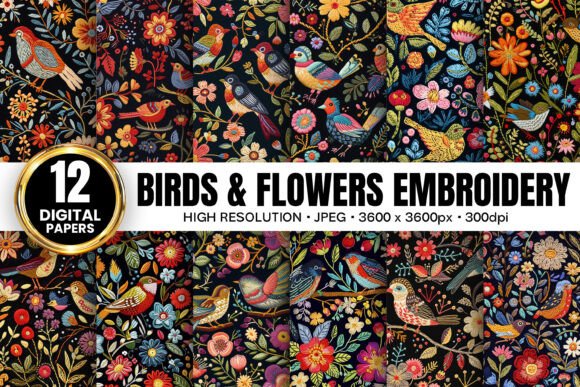
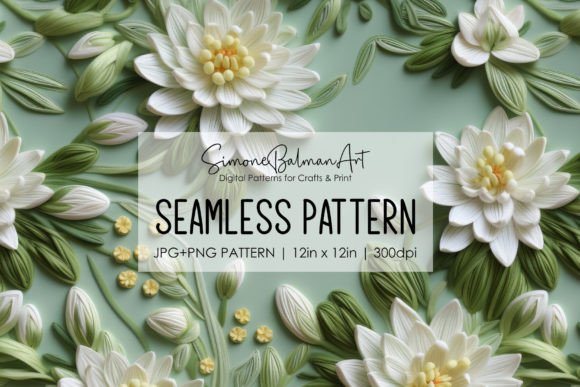
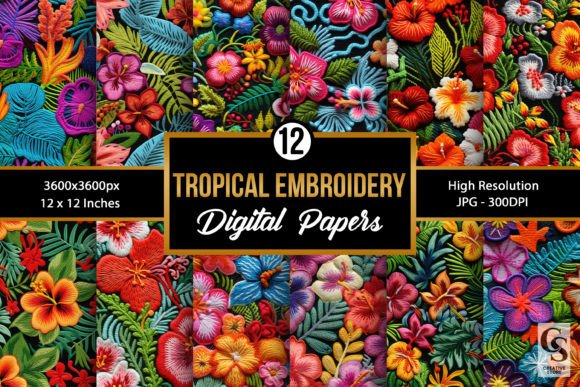
The first thing that strikes you about the Tropical Flower Embroidery Digital Paper is the vibrancy. The collection includes 12 distinct seamless patterns, each capturing the lush, organic feel of tropical flora. For a designer, mood is everything. These patterns evoke warmth, relaxation, and exotic elegance. They are not overly geometric or rigid, which makes them ideal for projects that require a soft, handcrafted touch.
However, because these are provided as high-resolution JPG files (3600 x 3600 pixels at 300dpi) rather than native machine embroidery design files like PES or DST, they serve a different purpose. They are design assets meant for visualization, mockups, and print-on-demand integration rather than direct machine stitching without conversion. Understanding this distinction is crucial before you purchase.
Real-World Application: The Custom Tote Bag Scenario
To test the practical value, I imagined a common client request: a set of custom tote bags for a boutique beach resort. The client wanted something that felt upscale but durable. Using the Tropical Flower Embroidery Digital Paper, I created digital mockups to present to the client. The 12-inch square format allowed me to visualize how the pattern would wrap around a standard canvas bag.
In this context, the Patterns shine. They provide a cohesive background that can be printed directly onto the fabric before any stitching occurs, or used as a guide for placing applique design elements. If I were to stitch over these printed backgrounds, the contrast between the thread colors and the printed floral motifs would need careful planning. A satin stitch border in a contrasting gold or deep green could frame specific flowers from the pattern, creating a mixed-media effect that elevates the perceived value of the handmade product.
Performance Across Different Products
Beyond tote bags, these graphics have versatile applications for Etsy seller shops and craft business owners. Here is how they perform across various categories:
- Custom Apparel: For sweatshirt embroidery, these patterns work best as sublimated backgrounds with minimal overlay stitching. Heavy stitching on top of a busy print can look cluttered.
- Baby Items: The soft curves of the tropical flowers are perfect for baby embroidery projects like bibs or blanket borders. However, ensure the ink used for printing the pattern is non-toxic and safe for infants.
- Home Decor: Pillow covers and tea towels benefit from the seamless nature of the files. You can tile the image to cover larger surfaces without visible breaks, creating a professional finished product look.
- Digital Products: If you sell digital papers or printable mockups, these 300dpi JPGs are ready to use. They add immediate visual appeal to your listings without requiring additional design work.
Technical Considerations and Limitations
While the visual quality is high, there are technical constraints to consider. Since these are raster images (JPGs) and not vector-based embroidery file formats, you cannot simply load them into an embroidery machine. To use them for actual stitching, you must either print them onto fabric and stitch over them (free-motion or guided) or use them as a reference to manually digitize a new design.
If you choose to stitch over the printed pattern, pay attention to stitch density. High-density fill stitch areas can obscure the delicate details of the tropical flowers. Instead, opt for running stitch outlines or sparse decorative stitches that allow the printed graphic to remain visible. This technique preserves the integrity of the original Graphics while adding the texture and prestige of embroidery.
Also, consider the fabric texture. These patterns look best on smooth, light-colored fabrics like cotton canvas or linen. On dark or heavily textured fabrics, the colors may not pop, and the details might get lost. Always test a small section on scrap fabric before committing to a full commercial embroidery run.
Enhancing Brand Consistency and Customer Trust
For small shop product lines, consistency is key. Using a cohesive set like the Tropical Flower Embroidery Digital Paper helps build brand recognition. When customers see the same high-quality tropical motif across your tote bag design, packaging, and social media posts, it reinforces your brand identity. This professionalism builds trust and encourages repeat business.
Moreover, these assets can improve your marketing materials. Use them to create stunning printable mockup images for your online store. A realistic preview of how the design looks on a personalized gift or holiday embroidery item can significantly increase conversion rates. Customers want to visualize the end result, and these high-resolution files make that possible.
Practical Designer Notes
Before integrating these patterns into your workflow, keep these practical tips in mind:
- Check Licensing: Confirm whether the license allows for commercial use of the printed images on physical goods. While the description mentions "Perfect for" various uses, always read the specific terms provided by the creator.
- Test Color Contrast: Print a sample on your intended fabric. Ensure the thread colors you plan to use stand out against the printed background. A stabilizer is still necessary if you are stitching through multiple layers.
- Hoop Size Matters: If you are digitizing elements from these patterns, ensure your hoop size can accommodate the scale of the flowers. Large tropical blooms may require a 5x7 or larger hoop.
- Avoid Small Details: Do not attempt to stitch tiny details from the JPG directly. The resolution is high, but embroidery needles have physical limitations. Simplify complex areas for better stitch clarity.
In conclusion, the Tropical Flower Embroidery Digital Paper is a valuable resource for designers who understand the difference between print and stitch. It excels as a visual tool for mockups, a background for mixed-media projects, and a branding asset for digital product sellers. By respecting its format and applying it thoughtfully, you can create stunning, professional-quality items that resonate with customers and elevate your craft business.