Reviewing Embroidery Ethnic Chevron Stripe Pattern
As an embroidery designer who has spent years digitizing files for small businesses, I know that the difference between a hobbyist project and a professional brand identity often comes down to pattern selection. Recently, I evaluated the Embroidery Ethnic Chevron Stripe Pattern to determine its viability for commercial use. This is not just about aesthetics; it is about functionality, durability, and how well a design translates from a screen to a physical finished product.
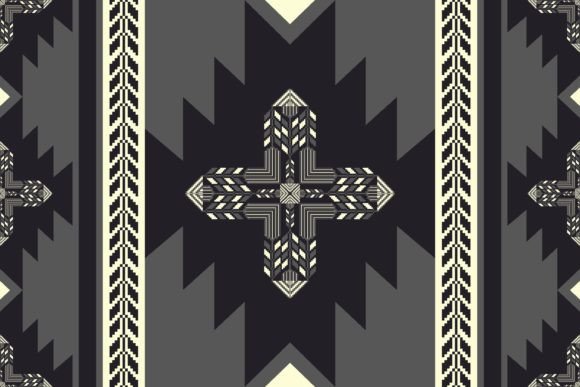
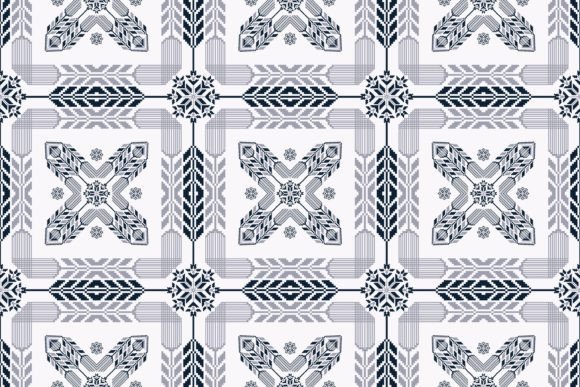
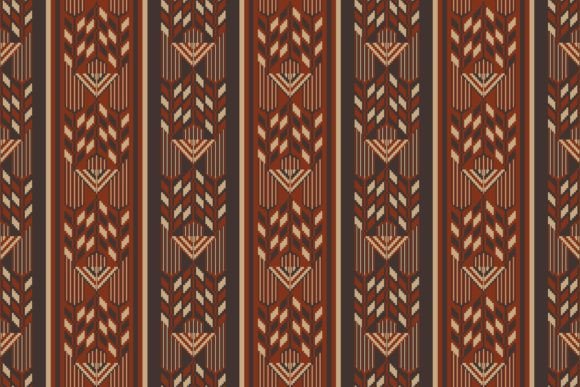
The initial impression of this design is striking. It balances the rustic charm of folk art with the clean lines required for modern branding. The geometric nature of the chevron and herringbone stripes suggests a sense of movement and energy, which is ideal for brands wanting to appear dynamic yet grounded. For boutique owners and Etsy sellers, this visual personality can serve as a powerful tool to differentiate their small business merch from generic competitors.
Real-World Application for Small Businesses
When I look at a digital embroidery file, I immediately visualize where it will live on a garment or accessory. The Embroidery Ethnic Chevron Stripe Pattern offers versatility that is rare in ethnic-inspired graphics. Here is how I see it performing in real business scenarios:
- Branded Patches: This is perhaps the strongest use case. The seamless nature of the stripes allows for easy cropping into circular or rectangular patches. These can be sewn onto denim jackets, canvas bags, or used as standalone merchandise items.
- Staff Uniforms and Aprons: For cafes, bakeries, or florists, adding this pattern to the hem or pocket of an apron adds a touch of artisanal quality. It elevates a standard uniform into a piece of custom apparel that customers notice and appreciate.
- Cap Embroidery: The horizontal flow of the chevron works well on the side panels or the back strap of baseball caps. However, careful attention must be paid to the curvature of the cap to ensure the lines do not distort visually.
- Tote Bag Design: Canvas totes are a staple for creative studios and local shops. Using this pattern as a border accent or a central block print style embroidery can turn a simple bag into a high-value promotional item.
The key here is consistency. When a customer sees this pattern on your packaging, your staff’s attire, and your social media printable mockups, it builds recognition. It signals that your brand pays attention to detail, fostering trust and perceived value.
Technical Considerations for Production
While the visual appeal is high, the technical execution requires a designer’s eye. The description notes this is a vector-based folk geometric pattern, which is excellent for scalability. However, converting vectors to stitch data requires careful management of stitch density. If the stitches are too dense, the fabric may pucker, especially on lighter materials like cotton tees or linen tote bags. Conversely, if the density is too low, the backing material might show through, ruining the premium look.
I always advise testing the embroidery file on the actual fabric you intend to use. Fabric texture plays a massive role in how ethnic patterns render. A coarse burlap will interact differently with the chevron lines than a smooth polyester blend. For dark uniforms, you must ensure high contrast in your thread colors. A muted earth tone might get lost on navy blue or black fabric, whereas bright whites or metallics could pop effectively.
Another critical factor is the hoop size. Since this is a seamless pattern, you have the flexibility to repeat it, but you are limited by your machine’s maximum hoop area. Before committing to a large production run, confirm that your equipment can handle the desired dimensions without requiring complex re-hooping processes that increase labor costs.
Where to Use Caution
Not every application is suitable for every design. With the Embroidery Ethnic Chevron Stripe Pattern, there are specific areas where I would exercise caution:
- Tiny Lettering Integration: Do not attempt to combine this intricate geometric pattern with small text within the same hoop area. The visual noise of the chevrons will compete with the letters, making both hard to read. Keep them separate.
- High-Wear Areas: While durable, raised embroidery on the inside of cuffs or collars can cause irritation. Ensure the back of the stitching is properly covered or trimmed if used on items that touch the skin directly.
- Curved Surfaces: As mentioned with caps, applying straight geometric lines to highly curved surfaces like the front panel of a structured hat can cause distortion. Test a sample first to ensure the chevron angles remain true to the design intent.
- Frequent Washing: For items like kitchen aprons or work shirts that undergo industrial washing, ensure you use a high-quality stabilizer. Without proper stabilization, the repeated stress on the geometric lines could lead to thread breakage or fabric tearing over time.
Enhancing Brand Identity Through Design Assets
Beyond the physical stitch, this pattern serves as a versatile design asset for your overall marketing. Even if you are not embroidering every item, you can use the graphic version for printed labels, tissue paper, or social media backgrounds. This creates a cohesive visual language. When customers see the same ethnic chevron motif on your embroidered patch and your website banner, it reinforces your brand story.
For handmade product creators, this level of cohesion signals professionalism. It moves your business from looking like a casual hobby to a serious enterprise. Buyers are willing to pay more for products that feel curated and thoughtful. The Embroidery Ethnic Chevron Stripe Pattern provides that layer of thoughtful design without requiring you to hire a graphic designer for every single item.
Practical Designer Notes for Implementation
Before you purchase or download this file for commercial embroidery projects, follow these steps to ensure success:
- Test in Monochrome: Run a test stitch in black thread on white fabric. This reveals the structural integrity of the digitizing without the distraction of color. If it looks messy in black and white, it will look messy in color.
- Check Licensing: Always verify the license terms. Ensure the file allows for commercial use if you plan to sell items featuring this design. Look for specifics on whether you can sell the physical embroidered item versus redistributing the digital file itself.
- Create Mockups: Use software to place the design on photos of your actual products. This helps you visualize scale and placement before wasting thread and fabric.
- Compare with Existing Assets: Lay this pattern next to your current logo and color palette. Does it complement or clash? It should enhance your existing brand identity, not fight against it.
- Verify File Formats: Ensure the provider offers the specific format compatible with your embroidery machine (e.g., PES, DST, JEF). Converting files can sometimes alter stitch paths, so native formats are preferred.
In conclusion, the Embroidery Ethnic Chevron Stripe Pattern is a robust choice for small business owners looking to add character and professionalism to their merchandise. It bridges the gap between traditional folk aesthetics and modern commercial needs. By paying attention to technical details like stabilizer choice, thread contrast, and placement, you can transform this simple geometric pattern into a powerful tool for brand building. Whether used on a humble tote bag or a premium staff uniform, it delivers the polished look that today’s consumers expect from quality handmade and branded goods.