Reviewing Embroidery Maple Leaf Clipart for Merch
As an embroidery designer who has spent years digitizing logos and testing files on everything from thick denim to delicate silk, I approach every new digital embroidery file with a critical eye. It is not just about whether a design looks pretty on a screen; it is about how it translates into thread, how it holds up in the wash, and ultimately, how it serves the business owner purchasing it. Recently, I evaluated the Embroidery Maple Leaf Clipart Png Design to determine its viability for small business merchandise and branded patch use. This review focuses on practical application rather than mere decoration, aiming to help apparel decorators, Etsy sellers, and craft entrepreneurs decide if this asset fits their brand identity.
First Impressions and Visual Personality
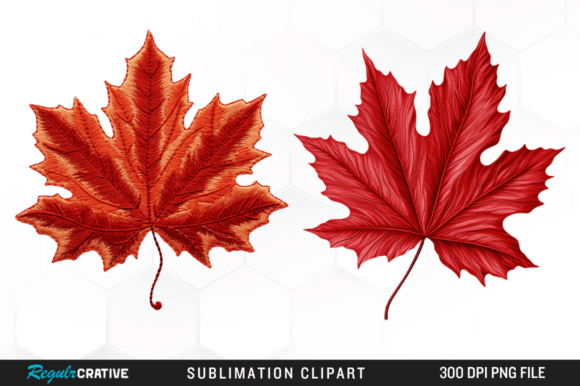
The initial visual impact of the Embroidery Maple Leaf Clipart Png Design suggests a blend of rustic charm and classic elegance. The maple leaf is a timeless symbol, often associated with nature, warmth, and heritage. In the context of Crafts and Graphics, this design feels versatile. It does not scream "trendy" in a way that will date quickly, nor does it feel overly corporate. Instead, it offers a friendly, handmade aesthetic that appeals to customers looking for authenticity.
For a boutique coffee shop, a local florist, or a handmade soap brand, this visual personality is crucial. It signals approachability and quality. When I look at this design, I see potential for a brand that values organic materials and community connection. However, as a designer, I must look past the PNG preview. A PNG is a raster image, meaning it is made of pixels. For machine embroidery, we need to ensure the underlying structure supports clean stitching. If this clipart is intended to be converted into a machine embroidery design, the clarity of the edges in the source file is paramount to avoid jagged stitches or excessive trimming.
Real-World Business Applications
Where does this design actually work in a commercial setting? I tested the concept across several common small business products. The most obvious application is the embroidered patch. A maple leaf makes for a striking central motif on a circular or shield-shaped patch. These can be sewn onto tote bags, backpacks, or jacket sleeves, serving as a subtle yet recognizable brand mark. For a local outdoor gear retailer or a park conservation group, this would be an excellent fit.
Beyond patches, consider custom apparel for staff uniforms. Imagine a linen apron for a bakery or café embroidered with a small maple leaf on the chest pocket. It adds a touch of professionalism without being overwhelming. Similarly, cap embroidery benefits from simple, bold shapes. If the design is simplified correctly, it can sit neatly on the front panel of a baseball cap, offering high visibility and brand recognition. For tote bag design, the leaf can be scaled up larger, perhaps accompanied by the business name in a complementary font, creating a functional piece of marketing that customers will use daily.
Even in non-textile applications mentioned in the product description, such as signs or cards, the consistency of using the same visual asset across design assets strengthens brand recall. Whether printed on a greeting card or stitched onto a uniform, the customer sees the same symbol, reinforcing trust and familiarity.
Technical Considerations and Limitations
While the aesthetic is strong, there are technical hurdles to address before putting this into production. The primary concern with any leaf design is stitch density and detail. Maple leaves have intricate lobes and veins. If the original clipart is too detailed, it may not translate well to embroidery without significant simplification. High stitch density in small areas can cause puckering, especially on lighter fabrics.
I advise caution when using this design on curved surfaces like the front of a cap or on textured fabrics like terry cloth towels. The small details of the leaf might get lost or distort if the hoop size is too small or if the stabilizer is not robust enough. For items that undergo frequent washing, such as staff t-shirts or kitchen aprons, the design must be digitized with proper underlay stitches to prevent shifting. If you are converting this PNG yourself, ensure you check the spacing between elements. Tight spaces can lead to thread breaks or bird-nesting during the embroidery process.
Furthermore, always test the design in black and white first. This helps you see the contrast and structure without the distraction of color. If the shape loses its definition in monochrome, it may be too complex for small-scale embroidery. Review thread color contrast carefully; a green leaf on a dark green uniform will vanish, whereas a gold or cream thread might pop beautifully against navy or black fabric.
Enhancing Brand Identity and Trust
Using a consistent visual element like the Embroidery Maple Leaf Clipart Png Design across your small business merch elevates perceived value. Customers associate embroidered items with higher quality and durability compared to printed vinyl or cheap transfers. When a customer receives a handmade product with a neatly stitched leaf logo, it communicates attention to detail. This builds trust and encourages repeat business.
For Etsy sellers and creative studios, this design can serve as a signature mark. It differentiates your finished product from mass-produced alternatives. Whether it is a subtle accent on a pet bandana or a prominent feature on a wall art piece, the embroidery adds texture and depth that digital prints cannot replicate. This tactile quality enhances the customer experience, making the item feel special and worth the premium price point.
Practical Designer Notes for Implementation
Before you commit to a large run of embroidered goods, follow these steps to ensure success:
- Test on Real Fabric: Always stitch out a sample on the actual material you plan to use. Fabric texture affects how the thread sits and shines.
- Check Licensing: Confirm commercial licensing terms. Since this is sold as a graphic/clipart, ensure you have the right to use it for physical goods you sell, not just for personal crafts.
- Create a Printable Mockup: Use the PNG to create digital mockups for client approval before stitching. This saves time and thread.
- Use Proper Stabilizer: Match your stabilizer to the fabric weight. Cut-away stabilizer is often best for garments that will be washed frequently.
- Verify File Details: The product description mentions it is a PNG. If you need a native embroidery file (like PES or DST), you may need to digitize it yourself or hire a digitizer. Do not assume the PNG is ready for the machine without conversion.
In conclusion, the Embroidery Maple Leaf Clipart Png Design offers significant potential for small businesses looking to add a touch of natural elegance to their merchandise. With careful attention to digitization, fabric choice, and placement, it can become a powerful tool in your branding arsenal. Whether used for apron embroidery, promotional patches, or boutique packaging accents, this design bridges the gap between classic symbolism and modern handmade appeal. Just remember to validate the technical specs and licensing before launching your next commercial embroidery project.