Reviewing Wind Spinner Rainbow Embroidery for Craft Fairs
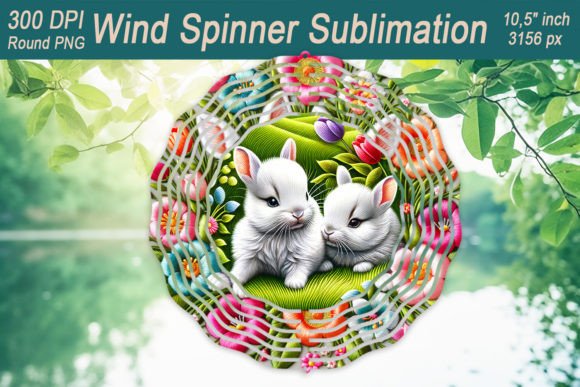
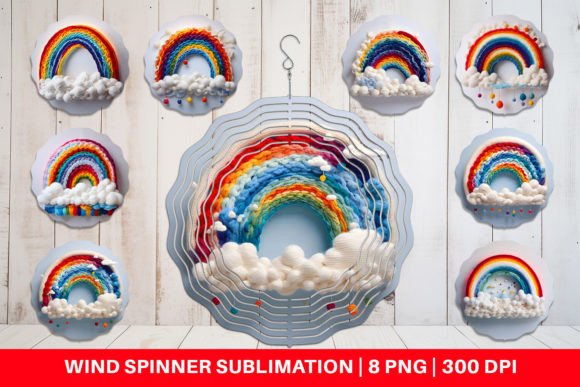
As an embroidery designer who has spent countless weekends behind a booth table, I know that the difference between a browser and a buyer often comes down to visual impact. When I first loaded the Wind Spinner Rainbow Embroidery design into my software, my immediate thought was about its potential as a high-traffic craft fair product. The title alone suggests movement, color, and joy—three elements that stop shoppers in their tracks. This is not just another floral motif; it is a statement piece that bridges the gap between whimsical Graphics and tangible, handcrafted quality.
First Impressions and Aesthetic Appeal
The initial vibe of this design feels undeniably cheerful and modern. It does not lean heavily into rustic farmhouse or strict minimalism. Instead, it offers a bold, decorative energy that fits perfectly within the current trend of maximalist home decor and playful accessories. For a craft fair product, this is gold. Shoppers are drawn to items that make them smile, and the rainbow motif, combined with the dynamic "spinner" concept, creates an instant emotional connection. It feels premium yet accessible, making it suitable for a wide range of customers, from young parents looking for unique gifts to adults seeking a pop of color for their kitchen or garden space.
Product Versatility for the Handmade Market
When planning my inventory for a weekend market, I always ask: where does this design shine? The Wind Spinner Rainbow Embroidery is incredibly versatile. Here is how I would deploy it across various handmade product categories:
- Tote Bags: This is perhaps the strongest candidate. A large hoop placement on a canvas tote makes for an eye-catching tote bag design that serves as both a functional item and a walking advertisement for your brand.
- Aprons and Tea Towels: For kitchenware, this design adds a festive touch. Apron embroidery benefits from central placement, while tea towel embroidery works best if the design is scaled down slightly to fit the narrower fabric width without losing detail.
- Embroidered Patches: If you offer iron-on or sew-on patches, this design’s bold lines could translate well, provided the stitch density is managed correctly to prevent puckering on smaller scales.
- Pillow Covers and Market Bags: These items allow for larger hoop sizes, letting the rainbow colors truly pop against neutral linen or cotton backgrounds.
For Etsy seller accounts and online shops, this design also lends itself beautifully to digital mockups. The vibrant colors contrast well against white or light gray backgrounds, creating clickable thumbnails that stand out in search results.
Production Practicalities and Stitch Considerations
While the aesthetic is promising, a professional review must address the technical execution. As a machine embroidery design, the success of the finished product relies on how the file interacts with different fabrics. The description mentions a love for sublimation design and adding text, which implies the base graphic is robust. However, when converting this visual concept into thread, we must be mindful of stitch density.
Rainbow designs often involve multiple color changes. If the thread colors are too similar in value, the definition of the "spinner" effect may get lost. I recommend using high-contrast threads to ensure each segment of the rainbow is distinct. Additionally, because this is likely a colorful, filled-in design, you must check the stitch count. High-density fills on thin fabrics like tea towels can cause distortion. Always use a cut-away stabilizer for stretchy materials like tote bags or t-shirts, and a tear-away for stable woven cottons.
Navigating Fabric Textures and Hoop Sizes
One critical aspect of this design is its performance on textured surfaces. Fabric texture can swallow up fine details. If you plan to embroider this on waffle-weave towels or heavy denim, ensure the design elements are not too tiny. The "spinner" aspect suggests motion, which usually requires smooth curves. On curved surfaces like caps, these curves can distort if the hoop size is not appropriate for the garment's structure. For caps, I would advise testing a smaller version of the design to maintain clarity without overwhelming the front panel.
Dark fabrics present another challenge. Rainbow colors may not vibrate as effectively on black or navy blue unless you use a white underlay or choose neon-bright thread shades. Always run a test stitch on scrap fabric of the same weight and weave as your final product. This step is non-negotiable for maintaining the reputation of your small shop product line.
Commercial Viability and Brand Consistency
From a business perspective, the Wind Spinner Rainbow Embroidery supports strong brand consistency if your shop focuses on joyful, colorful, or family-oriented goods. It enhances visual appeal and encourages buyer engagement because it looks handmade but polished. When customers see a well-executed, complex design like this, they perceive higher value, allowing for better profit margins.
However, before listing this as a commercial embroidery product, you must verify the license terms. The product description states, "Hello Thank you for visiting us. I love sublimation design and getting my work out there. The beautiful sublimation background is perfect as is, but you can also add your own text and graphics to crea." This snippet suggests flexibility but does not explicitly confirm commercial rights for the embroidery file itself. As a responsible creator, you must contact the designer or check the full documentation to confirm if this digital embroidery file includes a commercial license for selling physical finished goods. Never assume; always verify.
Final Designer Notes for Success
To maximize the potential of this design, follow these practical steps:
- Test on Scrap Fabric: Run the design on the exact material you intend to sell. Check for thread breaks or nesting.
- Review Spacing: Ensure there is enough space between color blocks to prevent thread mixing, which can muddy the rainbow effect.
- Create Real Mockups: Do not rely solely on digital previews. Photograph the actual stitched item in natural light to show true thread colors and texture.
- Check Details: Look for any tiny lettering or intricate details that might not survive the washing process. If the design includes text, ensure it is large enough to remain legible after stitching.
In conclusion, the Wind Spinner Rainbow Embroidery is a strong contender for any Crafts enthusiast looking to expand their design assets. It offers the boldness needed for craft fair visibility and the charm required for giftable handmade items. With careful attention to stabilizer choice, thread contrast, and licensing verification, this design can become a staple in your production lineup, driving sales and delighting customers with its vibrant, spinning energy.