Germany Embroidery Designs: A Designer’s Review
As a designer who has spent countless hours hooped over machines, watching needles dance across fabric, I have learned to look past the flashy thumbnails on digital marketplaces. What matters is not just how a design looks on a screen, but how it behaves under tension, how it interacts with thread texture, and whether it holds up in the real world of wear and wash. Recently, I evaluated Germany Embroidery Designs for a potential client project, and I want to share my practical observations for fellow crafters, Etsy sellers, and embroidery professionals.
First Impressions and Visual Personality
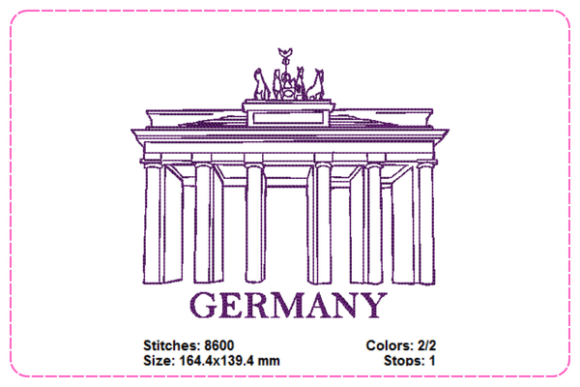
The first thing that strikes you about this collection is its thematic clarity. These designs do not try to be everything to everyone. Instead, they lean into a distinct European aesthetic that feels both traditional and modern enough for contemporary custom apparel. The mood is grounded and authentic. When I loaded the files into my digitizing software to inspect the stitch paths, I noticed a thoughtful balance between detail and durability.
For those of us creating handmade products, visual appeal is only half the battle. The other half is stitch efficiency. These designs appear to use a smart mix of satin stitch for borders and text, and fill stitch for larger graphical elements. This combination is crucial because it prevents the fabric from puckering excessively while still providing enough coverage to look professional. The layout feels intentional, avoiding the cluttered look that often plagues lower-quality embroidery file packages.
Real-World Application: The Tote Bag Test
To truly test the viability of these assets, I decided to use one of the motifs for a custom tote bag design. Tote bags are a staple for small shop owners and craft fair vendors, but they present unique challenges due to the coarse weave of canvas or cotton duck fabric. I chose a medium-weight cotton canvas and paired it with a cut-away stabilizer to ensure longevity.
The result was impressive. The design maintained its shape without pulling the fabric out of alignment. The thread colors I selected—deep blacks, rich reds, and golds—popped against the natural beige background, proving that these designs work well with high-contrast palettes. For an Etsy seller looking to expand their catalog, this kind of reliability is gold. It means fewer refunds due to poor stitching and more five-star reviews for quality craftsmanship.
Versatility Across Product Lines
Beyond tote bags, I considered how these designs would translate to other popular items. For sweatshirt embroidery, the density seems appropriate. Heavy garments can handle slightly denser stitching, and the designs here do not appear overly bulky, which is a common complaint with complex graphics. If you are creating baby embroidery items, such as onesies or bibs, you will want to check the smaller sizes carefully. While the description notes availability in various sizes, always verify that the fine details do not become lost or merge together when scaled down for tiny hoops.
These designs also lend themselves beautifully to embroidered patch creation. Patches are a trending item in boutique branding and allow customers to customize their own jackets or bags. The clean lines and defined edges of the Germany-themed motifs would stitch out cleanly on twill backing, making them ideal for iron-on or sew-on applications.
Technical Considerations for Designers
While the aesthetic is strong, there are technical nuances every designer must consider before committing to a large production run. The product description mentions compatibility with most embroidery machines, which is standard for industry-standard digital embroidery file formats. However, "compatible" does not mean "perfect on every machine without adjustment."
I recommend testing the design on scrap fabric first. Every machine has its own tension quirks. Pay close attention to the stitch density in the darker areas of the design. If you are using a single-needle home machine, you might need to slow down the speed to prevent thread breaks in dense fill areas. For multi-needle commercial machines, the process is smoother, but thread trimming settings should be optimized to keep the back of the finished product clean.
Fabric and Hoop Constraints
One area where caution is needed is with stretchy or thin fabrics. If you plan to use these designs on performance wear or delicate silks, the weight of the stitching might cause distortion. In such cases, a heavy-duty tear-away stabilizer or a water-soluble topping might be necessary to keep the stitches floating above the fabric texture. Additionally, curved surfaces like caps require careful hooping. Ensure the design fits within your cap frame’s usable area, as some larger variants of these designs might exceed the standard 4x4 or 5x7 hoop limits.
Dark fabrics present another challenge. If you are stitching on navy or black garments, you may need to adjust the underlay stitches or use a lighter top thread for certain elements to ensure visibility. Always create a printable mockup or a digital preview in black and white to check for contrast issues before you thread up the machine.
Commercial Value and Brand Consistency
For creative entrepreneurs, the ultimate question is: does this design add value? In my opinion, yes. The professional finish of Germany Embroidery Designs elevates the perceived quality of the item. Whether it is a holiday embroidery gift or a year-round souvenir, the crispness of the lines conveys professionalism. This builds customer trust, which is essential for growing a craft business.
When selling small shop products, consistency is key. Using a cohesive set of designs helps establish brand recognition. These Europe-inspired motifs can serve as a signature style for shops focusing on travel-themed or heritage-based goods. They are versatile enough to fit into seasonal collections, from Oktoberfest celebrations to winter holiday markets.
Final Verdict and Practical Advice
Before you purchase or download, remember to confirm licensing terms. While many design assets allow for commercial use of finished physical items, restrictions may apply to reselling the digital files themselves. Always read the specific license included with your purchase.
In summary, Germany Embroidery Designs offers a solid foundation for designers looking to create high-quality, marketable goods. They perform well on stable fabrics like cotton and canvas, offer good visual impact, and provide the versatility needed for diverse projects like personalized gifts and boutique merchandise. Just remember to test, stabilize properly, and respect the limitations of your specific machine and hoop size. With these precautions, these designs can become a reliable part of your creative toolkit.