Cherry Fruit Redwork Embroidery: A Designer’s Review
As an embroidery designer who spends countless hours digitizing and stitching, I am always on the lookout for designs that balance aesthetic charm with technical reliability. When I first encountered Cherry Fruit Redwork Embroidery on Creative Fabrica, I was immediately drawn to its classic appeal. Redwork is a timeless style, and the subject matter—cherries—evokes a sense of nostalgia and warmth that fits perfectly into the Food category of decorative motifs. This review explores whether this digital embroidery file is a worthwhile addition to your library for real-world commercial and personal projects.
First Impressions and Visual Mood
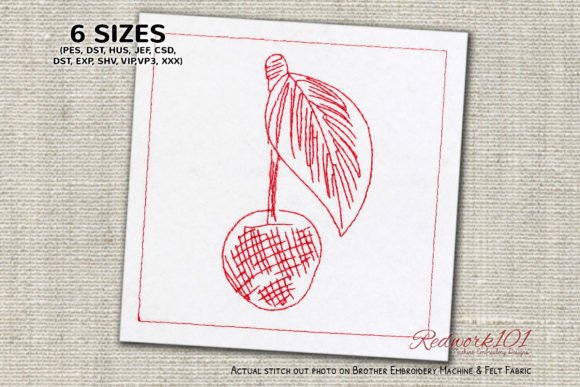
The initial visual impact of Cherry Fruit Redwork Embroidery is one of simplicity and elegance. Unlike complex multi-color designs that require frequent thread changes, redwork relies on a single thread color, traditionally red, against a neutral background. This design captures that spirit beautifully. The lines are clean, and the composition feels balanced, making it suitable for a variety of applications. The optional Box Stitch mentioned in the product description adds a layer of versatility, allowing you to frame the motif or leave it standalone depending on your creative vision.
For those of us who value efficiency in our workflow, the simplicity of this design is a major advantage. It does not overwhelm the fabric, nor does it require extensive trimming of jump stitches. The stitching personality appears crisp, suggesting that it will translate well from screen to hoop without losing definition. This makes it an excellent choice for designers who need reliable design assets that perform consistently across different materials.
Real-World Application for Handmade Products
When considering a new machine embroidery design for my shop, I always ask: where does this belong? For Cherry Fruit Redwork Embroidery, the answer is broad. The natural fit is kitchen textiles. Imagine this stitched onto linen tea towels or cotton napkins. The contrast of red thread on white or cream fabric creates a striking, boutique-quality look that sells well at craft fairs and online marketplaces like Etsy.
Beyond the kitchen, this design shines on custom apparel. A small cluster of cherries embroidered on the chest pocket of a denim shirt or the hem of a sundress adds a subtle, personalized touch. It works exceptionally well for sweatshirt embroidery, where a minimalist design often looks more sophisticated than large, dense graphics. For baby items, such as bibs or burp cloths, the simple lines are gentle and appealing, provided you use soft, high-quality thread.
I also see great potential for this design in home decor. A pillow cover featuring this motif can refresh a living space with a pop of color and rustic charm. For seasonal handmade gifts, such as holiday aprons or tote bag designs, the cherry motif offers a cheerful, welcoming vibe that resonates with buyers looking for unique, non-mass-produced items.
Technical Considerations for Embroiderers
While the design is visually appealing, practical execution requires attention to detail. One of the primary concerns with any embroidery file is stitch density. Since this is a redwork style, it likely utilizes running stitch or light satin stitch elements rather than heavy fill stitch areas. This is generally good news for fabric integrity, as it reduces puckering. However, you must still check the stitch density in your software before loading it onto your machine.
Fabric choice plays a crucial role in the final outcome. On textured fabric, such as terry cloth or heavy linen, ensure your stabilizer is robust enough to prevent the stitches from sinking into the pile. For stretchy fabric, like jersey knits used in t-shirts, a cut-away stabilizer is essential to maintain the shape of the design after washing. If you plan to use this on dark fabric, remember that traditional redwork uses red thread. You may need to adjust the thread colors in your software if you want the design to pop against navy or black backgrounds, or stick to the classic red-on-white aesthetic for maximum visibility.
Hoop size is another factor to verify. Although the product description does not specify exact dimensions, redwork designs are often compact. Confirm the hoop size compatibility with your specific machine. If the design is small, it may fit in a 4x4 inch hoop, making it ideal for caps or small patches. For larger applications like wall art or full-front sweatshirt embroidery, ensure the resolution holds up when scaled, though scaling embroidery files is generally not recommended due to potential distortion of stitch lengths.
Enhancing Product Value and Brand Consistency
Using high-quality design assets like Cherry Fruit Redwork Embroidery can significantly enhance the perceived value of your finished product. Customers associate clean, precise stitching with professionalism. This design’s clean lines contribute to a polished look that builds buyer trust. When you create a cohesive collection—for example, a set of kitchen towels, aprons, and pot holders featuring the same cherry motif—you establish brand consistency that encourages repeat purchases.
From a marketing perspective, this design photographs beautifully. The high contrast of redwork makes it easy to capture sharp images for your online listings. Whether you are creating a printable mockup for digital previews or photographing the actual embroidered patch or tote bag, the simplicity of the design ensures it remains the focal point. This visual appeal drives customer engagement and can help your handmade product stand out in a crowded marketplace.
Practical Tips for Best Results
Before committing to a large production run, always test on scrap fabric. This allows you to inspect small details after stitching and make necessary adjustments to tension or stabilizer type. Check thread color contrast to ensure the red stands out appropriately against your chosen material. If you are using the optional Box Stitch, verify that it aligns correctly with the main motif in your embroidery software.
It is also vital to confirm file details and licensing on the Creative Fabrica product page before selling finished items. While many designs come with commercial use rights, terms can vary. Ensure you understand the license regarding the number of physical copies you can sell. Additionally, since the product description mentions that the color of the outer elements may vary or be customizable, take time to experiment with different thread colors to see what best suits your brand palette.
In summary, Cherry Fruit Redwork Embroidery is a versatile and charming addition to any designer’s library. Its suitability for a wide range of products, from kitchen towels to custom apparel, makes it a valuable tool for creative entrepreneurs. By paying attention to technical details like stabilizer choice and fabric type, you can produce high-quality, commercially viable items that delight customers and elevate your brand. Whether you are a seasoned professional or a hobbyist looking to expand your portfolio, this design offers a blend of classic style and modern usability that is worth exploring.