Reviewing Enchanting Floral Embroidery Designs
As a designer who has spent countless hours staring at digitizing software and troubleshooting thread breaks, I approach every new machine embroidery design with a mix of curiosity and caution. We have all been there: you download a file that looks stunning in the preview, only to find it turns into a bird’s nest of tangled thread on your actual project. Recently, I had the chance to evaluate Enchanting Floral Embroidery Designs, and I want to share my practical insights for fellow crafters, Etsy sellers, and small business owners.
First Impressions and Visual Mood
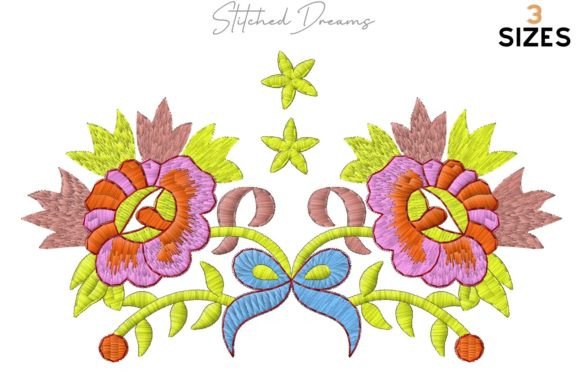
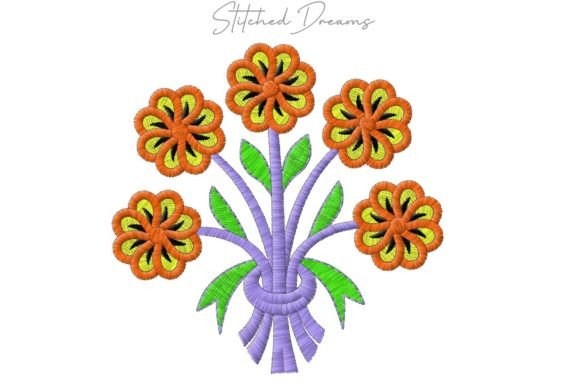
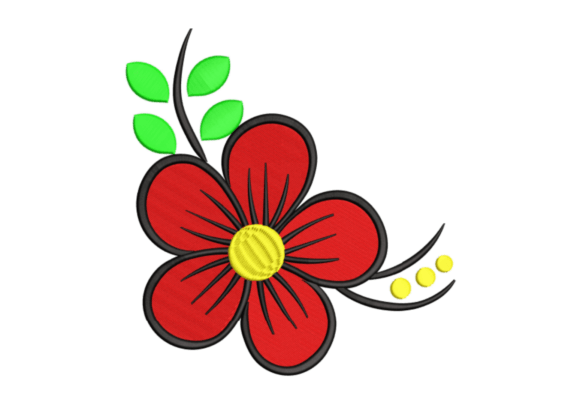
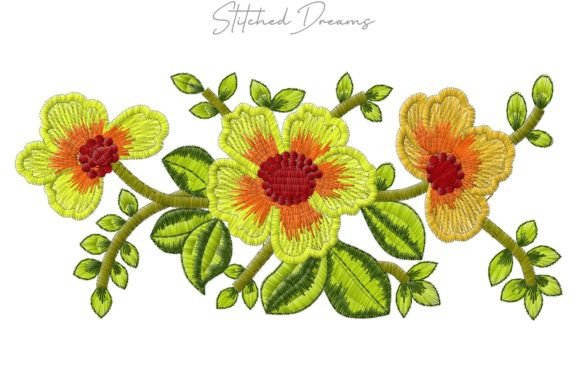
The first thing that strikes you about this collection is its delicate balance. The patterns are not overly dense, which is a relief for anyone working with standard home machines. The layout features intricate leaves and charming floral elements that feel organic rather than rigid. This is crucial because stiff, geometric florals often look cheap on soft goods. These designs evoke a timeless, romantic mood, making them ideal for projects where you want to convey warmth and elegance.
When I loaded the files into my viewer, I looked specifically at the stitch types. There is a thoughtful mix of satin stitch for the finer stems and outlines, and fill stitch for the larger flower petals. This variation adds texture and depth, preventing the final piece from looking flat. For those creating design assets for clients, this level of detail suggests a higher perceived value without requiring excessive run time.
Real-World Application: The Tote Bag Test
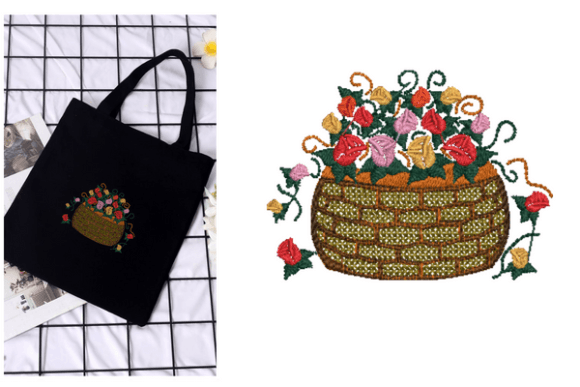
To truly understand how these files perform, I decided to use one of the medium-sized floral motifs on a canvas tote bag. This is a common request for Etsy sellers and boutique owners, especially during spring and summer seasons. I chose a natural cotton canvas, which provides a stable base but can be tricky if the stitch density is too high.
I hooped the fabric with a heavy-cut stabilizer to prevent puckering. As the machine began stitching, I watched closely. The running stitch underlay did its job well, securing the fabric before the decorative stitches landed. The result was crisp. The leaves had definition, and the flowers sat nicely on the surface without sinking into the weave. For a handmade product intended for daily use, this durability is key. Customers want items that look professional after washing, and the structural integrity of this design held up well during my post-stitch inspection.
Versatility Across Product Lines
Beyond tote bags, I considered how these patterns would translate to other popular items. For sweatshirt embroidery, the softer fill stitches would complement the fuzzy texture of fleece or French terry without getting lost. However, you must be mindful of the nap. On darker sweatshirts, ensure your thread colors have enough contrast, or the intricate details might vanish.
For baby embroidery, such as onesies or burp cloths, the smaller motifs in this collection are perfect. They are gentle and not overwhelming. Just remember that baby skin is sensitive, so always use a soft backing or remove any scratchy stabilizer remnants. These designs also work beautifully for holiday embroidery projects, such as embellishing kitchen towels or creating personalized gifts for weddings. The romantic aesthetic fits seamlessly into bridal showers or anniversary presents.
Technical Considerations and Limitations
While I am impressed with the versatility, there are areas where you need to exercise caution. No single embroidery file is perfect for every situation. Here are some specific scenarios where you should test before committing to a final product:
- Small Hoop Sizes: If you are using a 4x4 hoop, check the dimensions carefully. Some of the larger bouquets may require resizing, which can distort the stitch density and cause thread breaks.
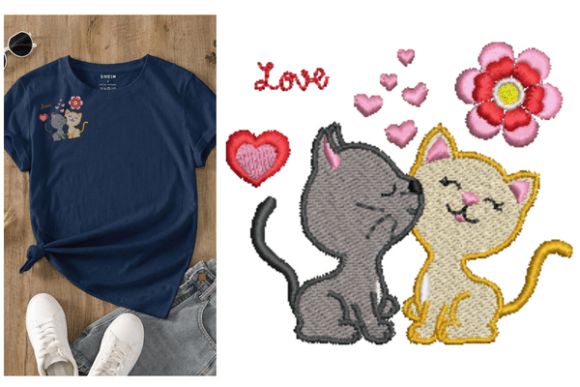
- Stretchy Fabrics: When applying these designs to t-shirts or knit caps, the stretch of the fabric can pull the stitches apart. Use a tear-away or cut-away stabilizer appropriate for knits to maintain shape.
- Dense Stitch Areas: Although generally well-digitized, some flower centers have tighter stitching. On thin fabrics like silk or lightweight rayon, this could cause puckering. Always test on scrap fabric first.
- Curved Surfaces: Embroidering on caps requires special attention to placement. Ensure the design does not extend too far to the edges where the curvature of the cap might distort the image.
It is also vital to check the specific file formats provided. While most modern machines read common formats, you should confirm compatibility with your specific model. Additionally, review the license terms. If you plan to use these for commercial embroidery or sell finished items, ensure the creator allows for commercial use. Many digital sellers offer different licenses for personal versus commercial applications.
Enhancing Brand Value and Customer Trust
For small shop owners, the quality of your embroidery directly impacts your brand reputation. A clean, well-executed design builds trust. When customers see consistent, high-quality stitching on your custom apparel or home decor, they are more likely to return and recommend your shop. Enchanting Floral Embroidery Designs offers that professional polish.
Using these designs in your printable mockup previews can also boost engagement. High-resolution images of embroidered florals attract clicks on social media and marketplaces. They signal that you pay attention to detail. Whether you are selling an embroidered patch or a full-sized pillow cover, the visual appeal of these floral patterns helps your products stand out in a crowded marketplace.
Final Designer Notes
Before you start your next big batch of orders, take a moment to prepare. Check your needle size; a sharp needle is best for woven fabrics, while a ballpoint is better for knits. Match your thread weight to the design’s scale. Thicker threads can obscure fine details, while thinner threads might not cover the fabric adequately in fill areas.
Also, consider the color palette. Nature-inspired designs look best with harmonious colors. Try variegated threads for the petals to add depth, or stick to monochromatic schemes for a modern, minimalist look. Test your design in black and white on your computer screen to check for contrast issues. If the details disappear in grayscale, they might get lost on low-contrast fabrics.
In conclusion, Enchanting Floral Embroidery Designs is a solid addition to any designer’s library. It balances aesthetic beauty with technical practicality. By understanding its strengths and limitations, you can create stunning finished products that delight your customers and elevate your craft business. Happy stitching!